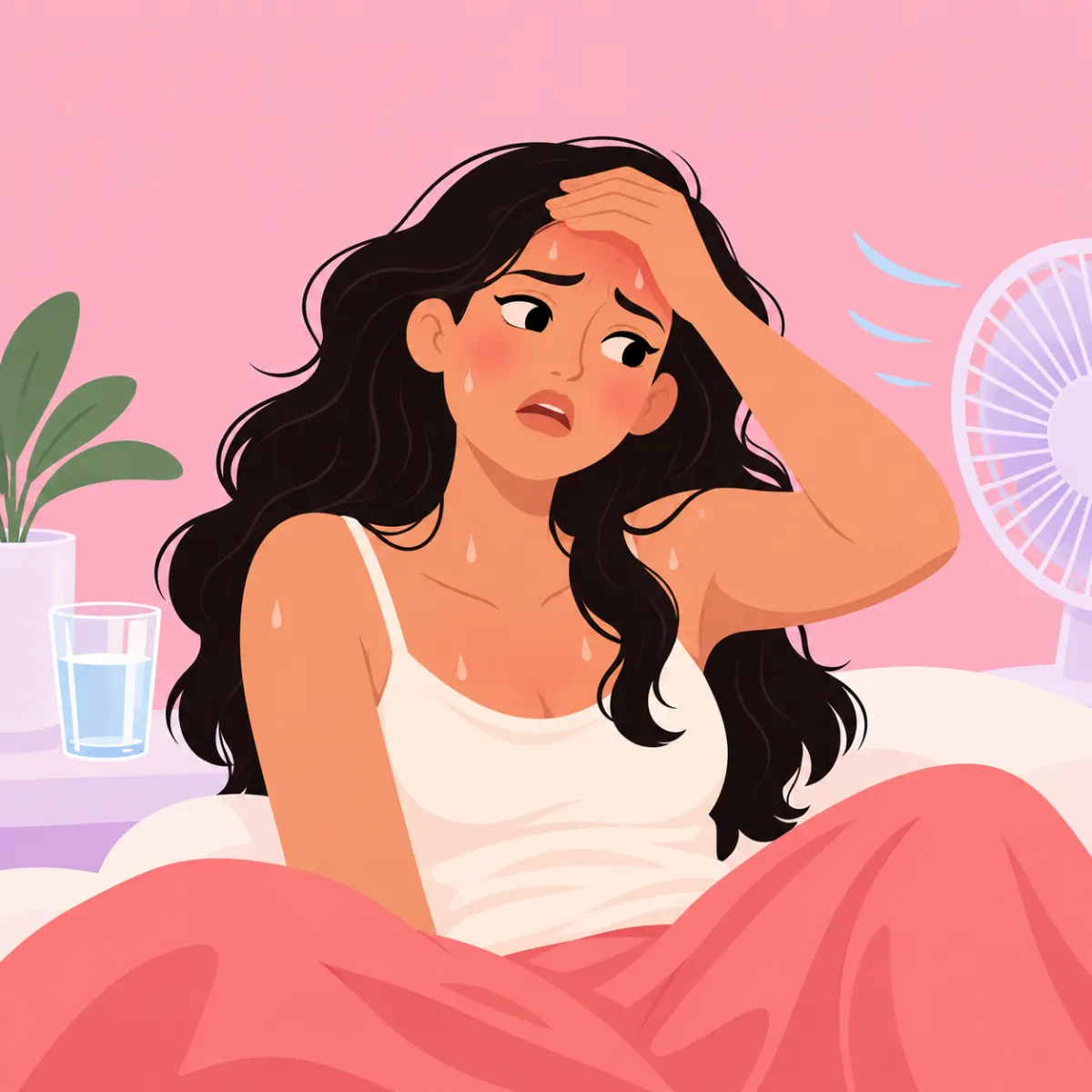
Ever feel like your body is just a little warmer than usual even when the room temperature hasn’t changed? 🌡️
You might notice a subtle increase in your body temperature around ovulation. It’s one of those small changes your body can make during your menstrual cycle, and you may not even realize it’s happening!

🌸 What’s Happening During Ovulation?
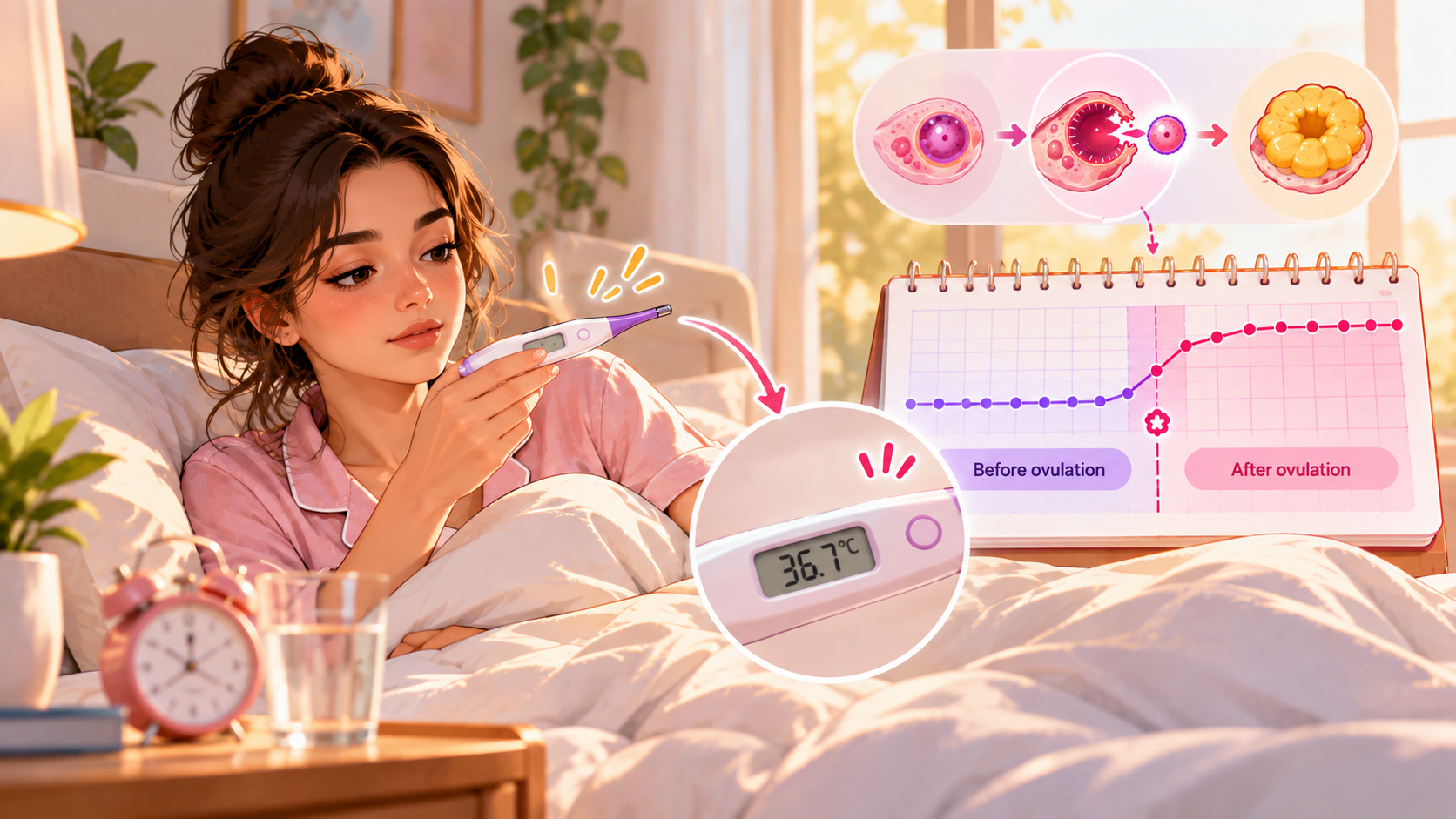
Around ovulation, your ovary releases an egg. After ovulation, the hormone progesterone starts to rise.
One effect of this hormonal shift is a small increase in your basal body temperature (BBT) your body’s temperature when you’re completely at rest.
Typically, BBT may rise by around 0.3–0.5°C (0.5–1°F) after ovulation.

🔥 What Might You Notice?
A slight temperature rise can sometimes feel like:
🌡️ Feeling slightly warmer than usual
😴 Feeling a little more relaxed or sleepy
💦 Mildly increased sweating
🛌 Feeling warmer when waking up
🔥 Noticing your skin feels warmer than usual
But remember: many people don't actually feel this temperature change. It's often easier to detect by tracking your BBT consistently each morning.

🥚 Why Does Your Temperature Rise?
After ovulation, the follicle that released the egg forms a structure called the corpus luteum, which produces progesterone.
Progesterone has a thermogenic effect it slightly increases your resting body temperature.
This means your temperature can stay a little higher during the luteal phase, until your next period begins.
📱 Can BBT Help Track Ovulation?
Yes! BBT tracking can help you identify a pattern in your cycle.
For the most useful readings:
Take your temperature immediately after waking up.
Measure it before getting out of bed or doing any activity.
Try to take it at roughly the same time every day.
Track your readings across multiple cycles.
A sustained temperature rise can help indicate that ovulation has already occurred. It generally isn't reliable for predicting ovulation in advance on its own.

💡 One Warm Day Doesn't Always Mean Ovulation
Your body temperature can change for many reasons, including:
Illness or fever 🤒
Poor sleep 😴
Alcohol 🍷
Stress
Travel or changes in routine
A warmer sleeping environment
So don't worry if you notice an occasional temperature change it doesn't necessarily mean you've ovulated.
🌱 Clora Tip
Your body gives you tiny clues throughout your cycle. From cervical mucus to energy levels to temperature changes, tracking these patterns can help you understand your cycle better. 💗