Support every phase
From first periods to fertility planning, pregnancy, postpartum questions, PCOS, sexual health concerns, and menopause, reproductive health needs change over time.

Clora Care Guide
Women's reproductive health changes across age, goals, hormones, relationships, fertility, pregnancy, and menopause. Clora brings awareness, tracking, and care pathways into one supportive experience.
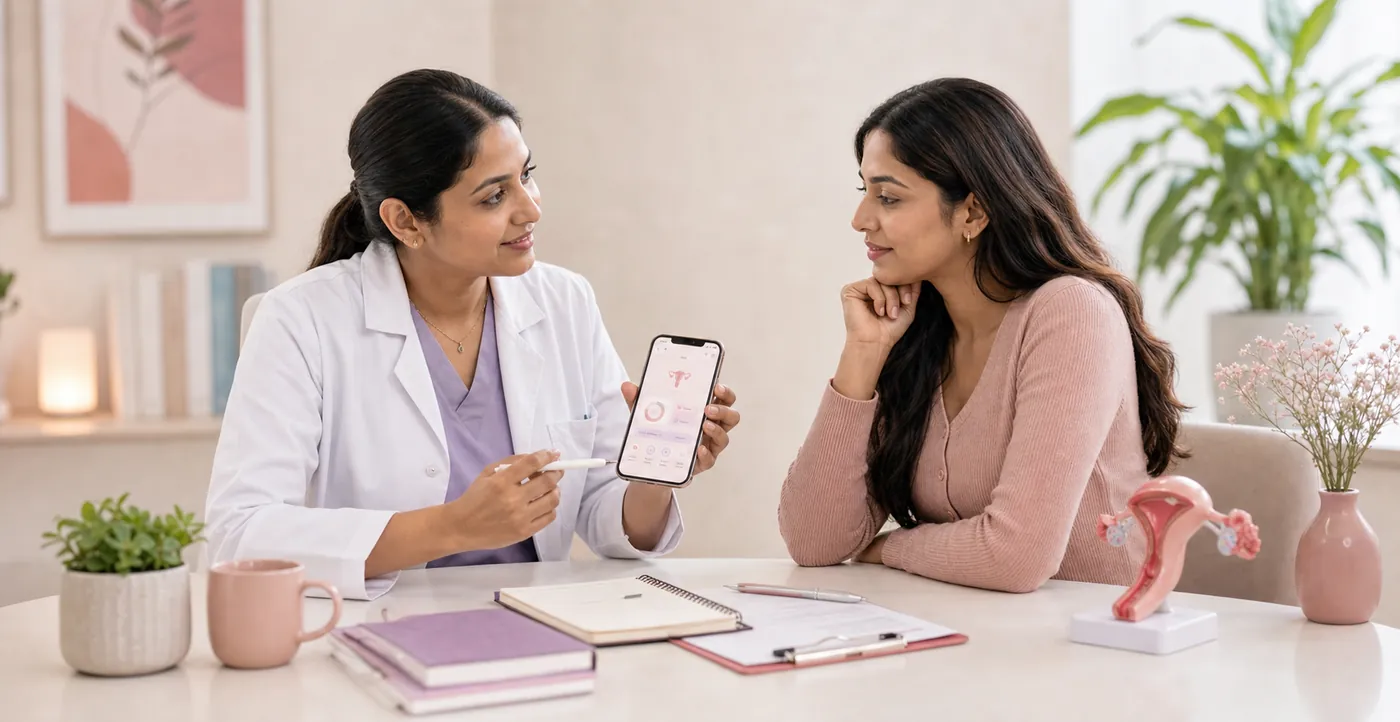
From first periods to fertility planning, pregnancy, postpartum questions, PCOS, sexual health concerns, and menopause, reproductive health needs change over time.
Clora helps users organize symptoms, cycle data, reports, medications, mood, and questions for more informed healthcare conversations.
The goal is simple: reduce confusion, improve awareness, and make proactive women healthcare easier to reach.
Reproductive health is broader than fertility. It spans menstruation and hormonal health, contraception, fertility and pregnancy, sexually transmitted infections, pelvic and vaginal health, and the menopause transition — essentially, the health of the reproductive system across an entire lifetime, not just the years someone might be trying to conceive.
Periods typically begin between ages 9 and 15. Irregular cycles are common in the first couple of years as hormones establish a rhythm, though very heavy bleeding or absent periods by age 15 are worth a doctor's evaluation.
Cycle regularity, contraception choices, fertility, and pregnancy considerations dominate this stage. This is also when conditions like PCOD/PCOS and endometriosis are most commonly diagnosed.
Typically starting in the 40s, this transition brings hormonal fluctuation, cycle changes, and symptoms like hot flashes well before periods actually stop — see our perimenopause guide for details.
After menopause is confirmed, focus shifts toward bone and heart health alongside continued gynecological care, since declining estrogen affects more than the reproductive system alone. Read more in our menopause guide.
A well-woman visit is a yearly checkup recommended regardless of age or life stage — it doesn't require a specific complaint to be worthwhile. It typically includes a review of your health and family history, screening and counseling tailored to your age and risk factors, and a chance to discuss anything from cycle changes to contraception to symptoms you've been putting off mentioning. Not every visit requires a Pap smear or pelvic exam; your doctor will determine what's actually needed that year.
Not sure where to start?
If you have a specific concern, our focused guides go deeper: menstrual health, vaginal discharge, fertility & ovulation, and pregnancy are good places to look. If nothing fits, a well-woman visit with a gynecologist is always a reasonable starting point.
How Clora Helps
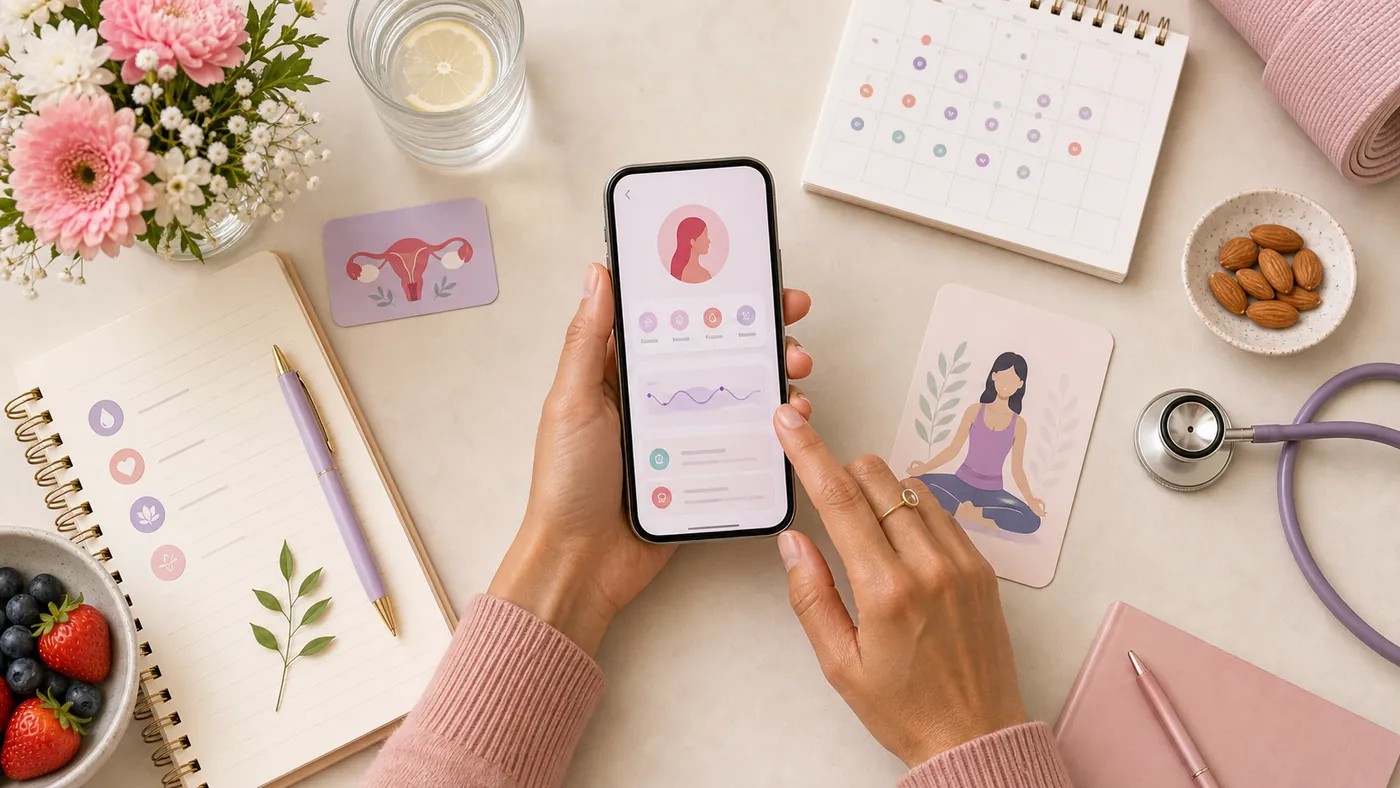
Clora combines health tracking, AI-powered conversations with Clo, gynecology teleconsultation readiness, lab test context, medicine support, and personalized wellness insights in one women's health ecosystem.
Questions
It spans menstruation, hormones, fertility, contraception, pregnancy, sexually transmitted infections, pelvic health, and menopause — essentially, the health of the reproductive system across every life stage, not just fertility years.
A well-woman visit is a yearly checkup covering screening, evaluation, and counseling based on your age and risk factors, even in years when you don't need a Pap smear. It's a chance to raise any concern, not just a box-checking exercise.
Adolescence brings the onset of periods, the reproductive years bring cycle regularity, fertility, and pregnancy considerations, perimenopause brings hormonal transition, and postmenopause shifts focus to bone and heart health alongside ongoing gynecological care.
Cervical cancer screening (Pap/HPV testing), breast awareness and screening as recommended by age, blood pressure and diabetes screening, and thyroid checks when symptoms suggest it are commonly recommended, though your doctor will tailor this to your history.
A gynecologist specializes in reproductive and pelvic health, so period problems, pelvic pain, fertility questions, pregnancy, and menopause symptoms are typically best directed there, while a general doctor can handle broader health concerns and refer you when needed.
Clora supports tracking, education, symptom organization, AI companion conversations, and consultation readiness.