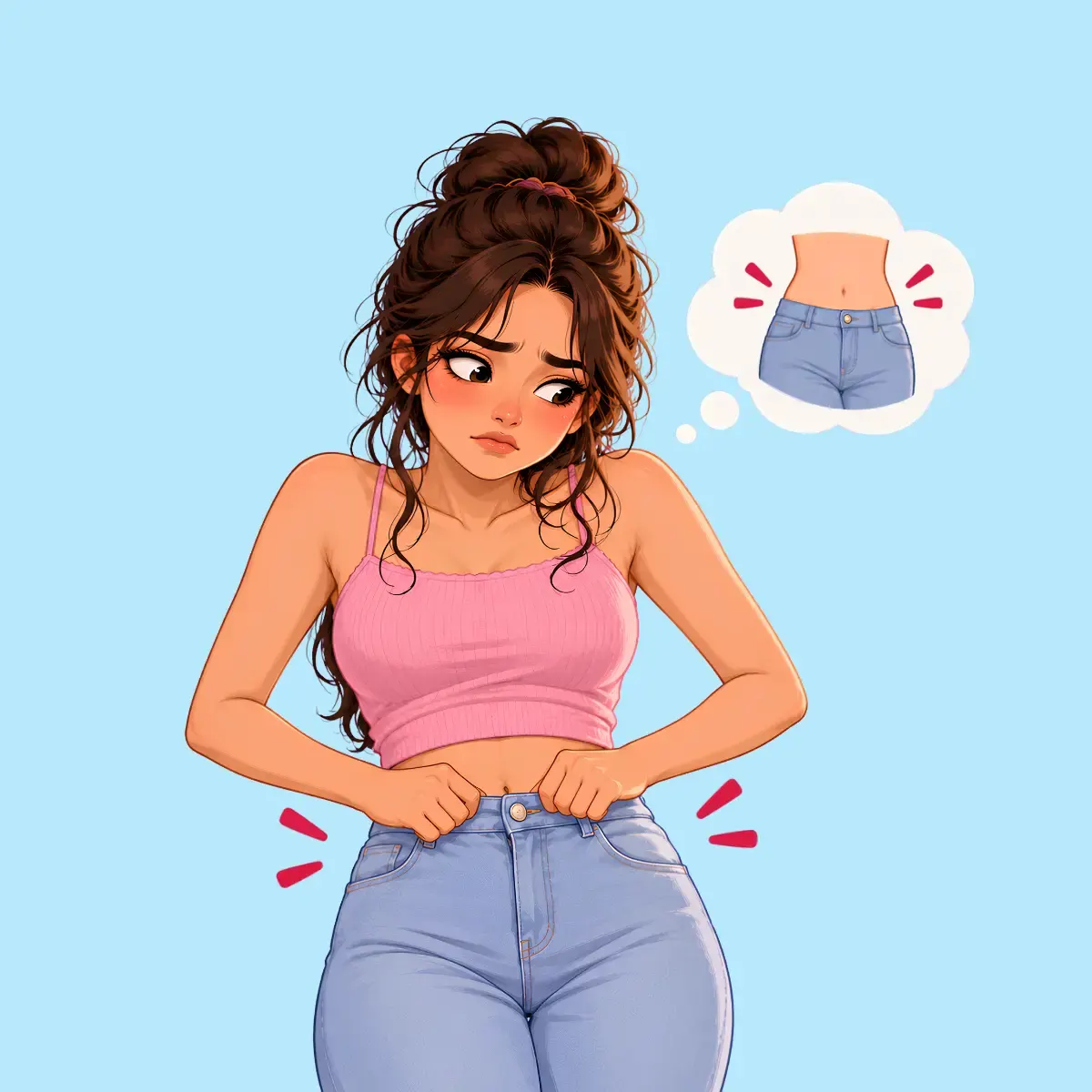
Your jeans fit perfectly on Monday.
By Friday:
“WHO SHRANK THESE?!” 😭
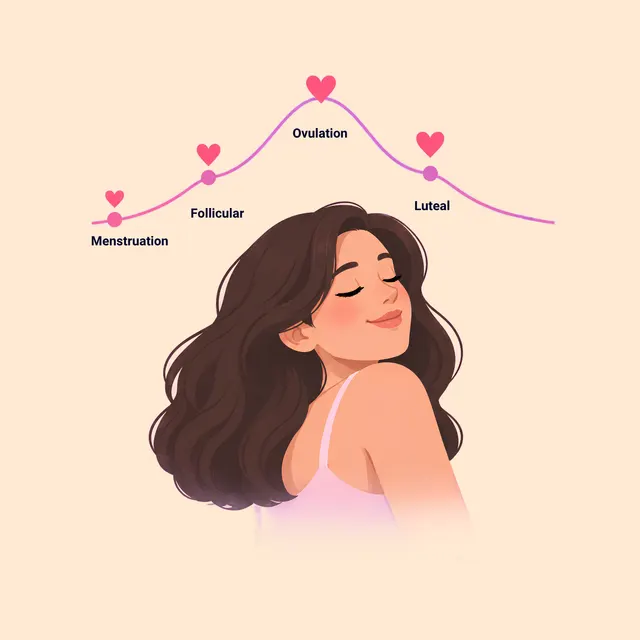
Before blaming your clothes, take a look at where you are in your cycle.
You might be in your luteal phase.
🌙 What's happening?
After ovulation, progesterone rises and your body goes through several hormonal changes.
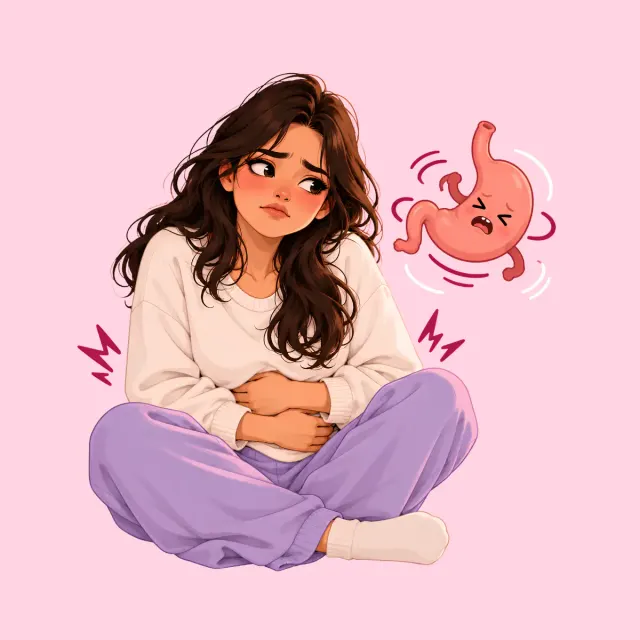
For some people, the luteal phase can come with temporary water retention and bloating.
You might notice:
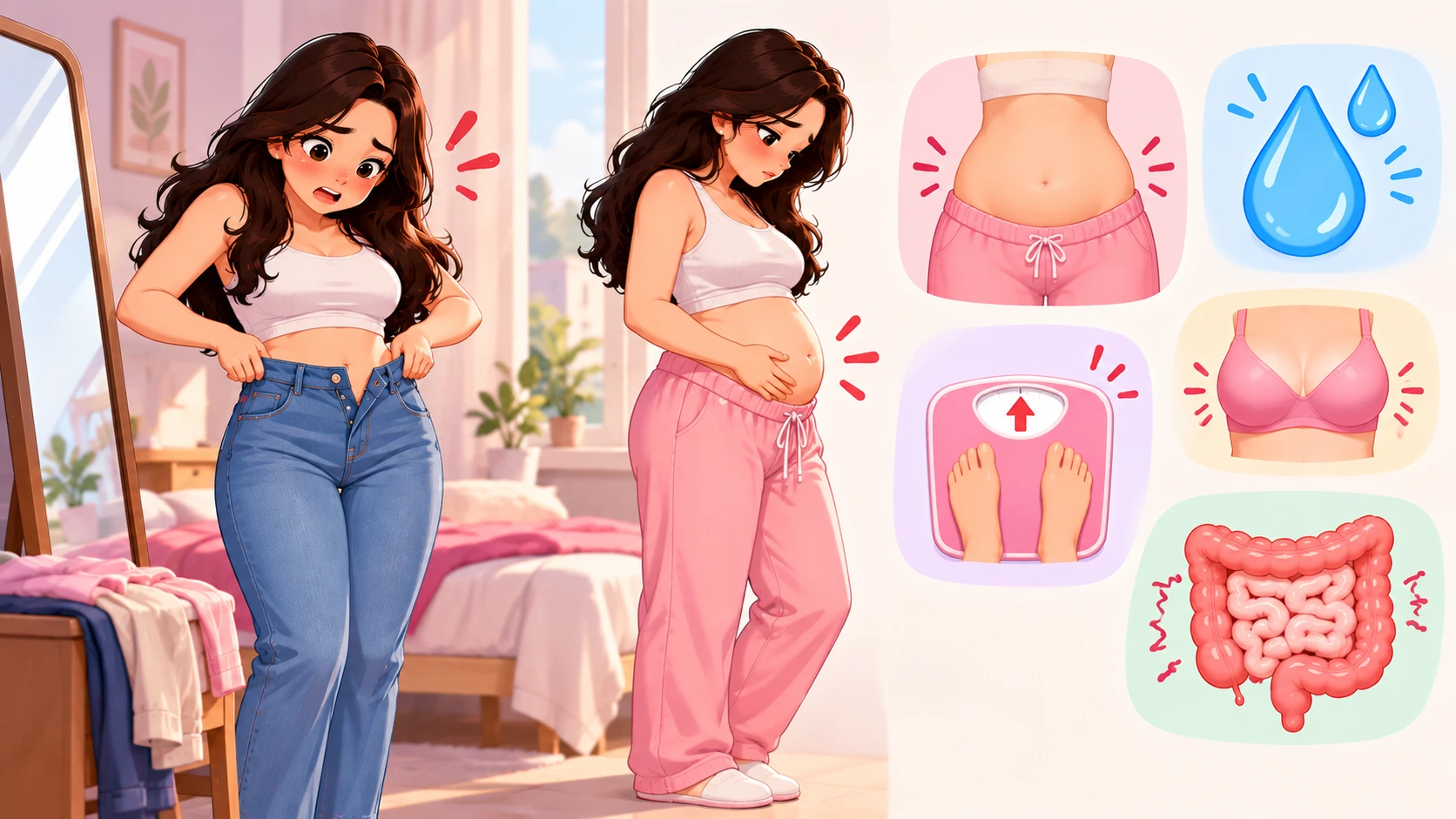
🎈 A bloated or fuller-feeling stomach
💧 Temporary water retention
⚖️ Short-term changes on the weighing scale
👙 Breast swelling or tenderness
🚽 Changes in bowel habits, including constipation
And yes, that can make your clothes feel a little tighter.
Does that mean I've gained fat?
Not necessarily.
A temporary increase on the scale around your period can be related to fluid retention, digestion, and other cycle-related changes, rather than a sudden increase in body fat.
So maybe don't declare war on your weighing scale just yet. 😭
🌸 What can you do?
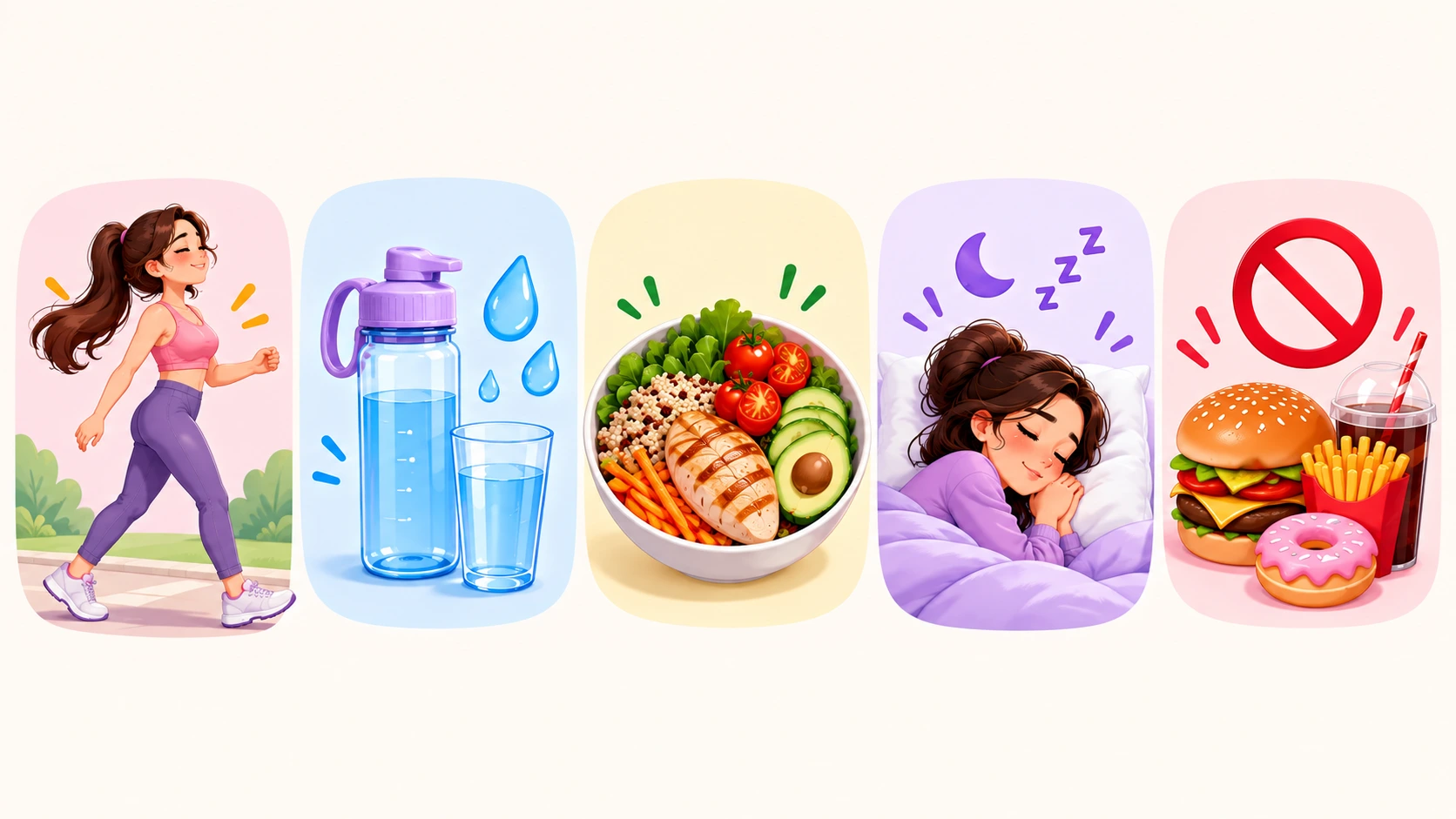
Gentle movement, adequate hydration, regular meals, enough sleep, and limiting foods that you personally notice worsen bloating may help.
Most importantly, don't judge your body based on one day-or one number.
Your body naturally changes throughout the month.
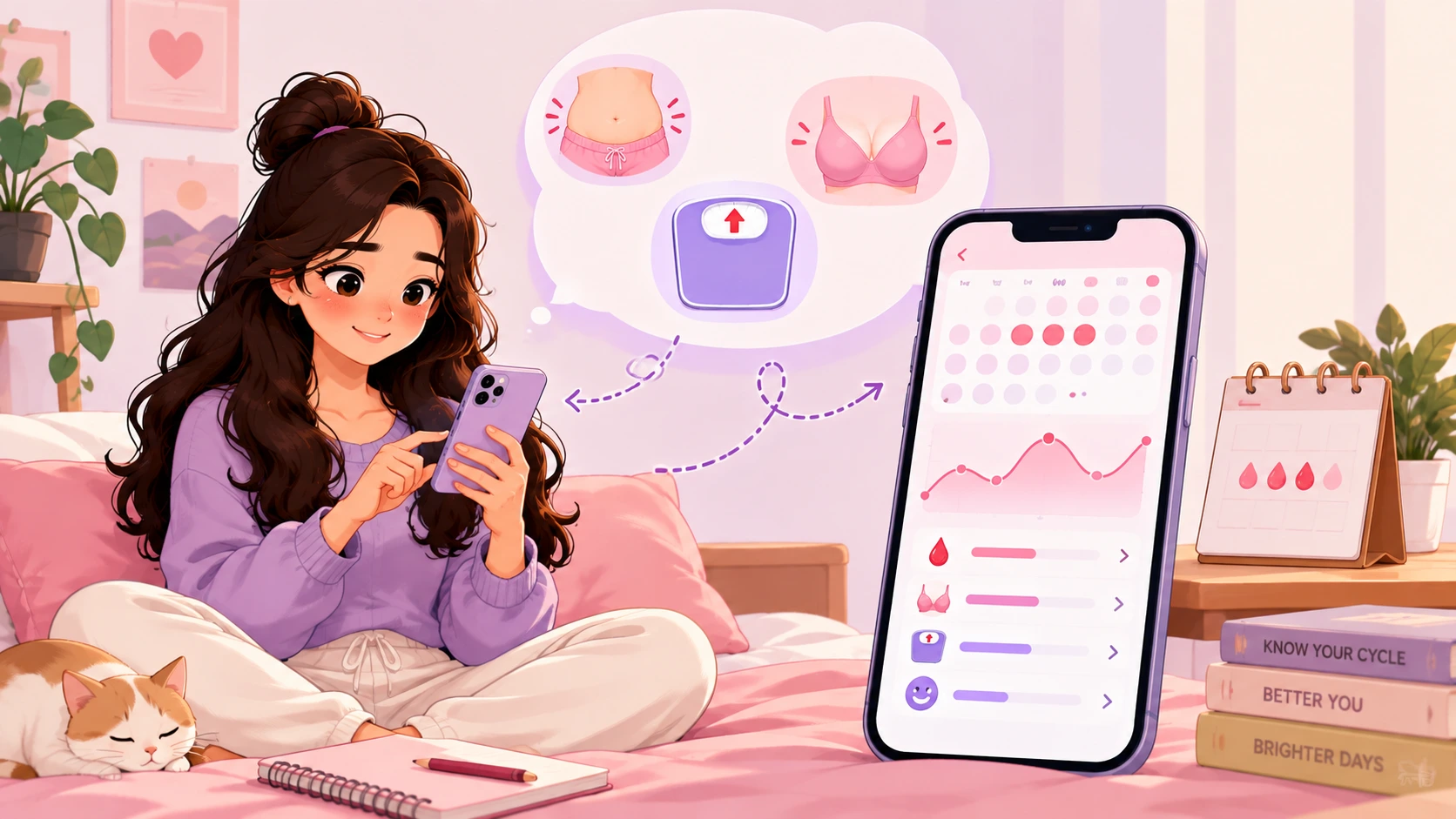
💜 Track the pattern
If you notice that bloating, breast changes, or temporary weight fluctuations happen around the same time each cycle, tracking can help you understand your personal pattern.
And if swelling, pain, or weight changes are severe, persistent, or unusual for you, talk to a healthcare professional.
Your body isn't changing randomly. Sometimes, it's just moving through another phase of the cycle.
Track it with Clora and get to know your body a little better. 🌙💜