Period Flow, Clots & What Is Normal? 🩸
You know that moment when you check your period and think:
“Okay… we're doing THIS today?” 😭
Yesterday: barely anything.
Today: WHY IS THERE SO MUCH BLOOD?
Before you panic, let's talk about what can actually happen during your period.
🩸 Light, medium or heavy?
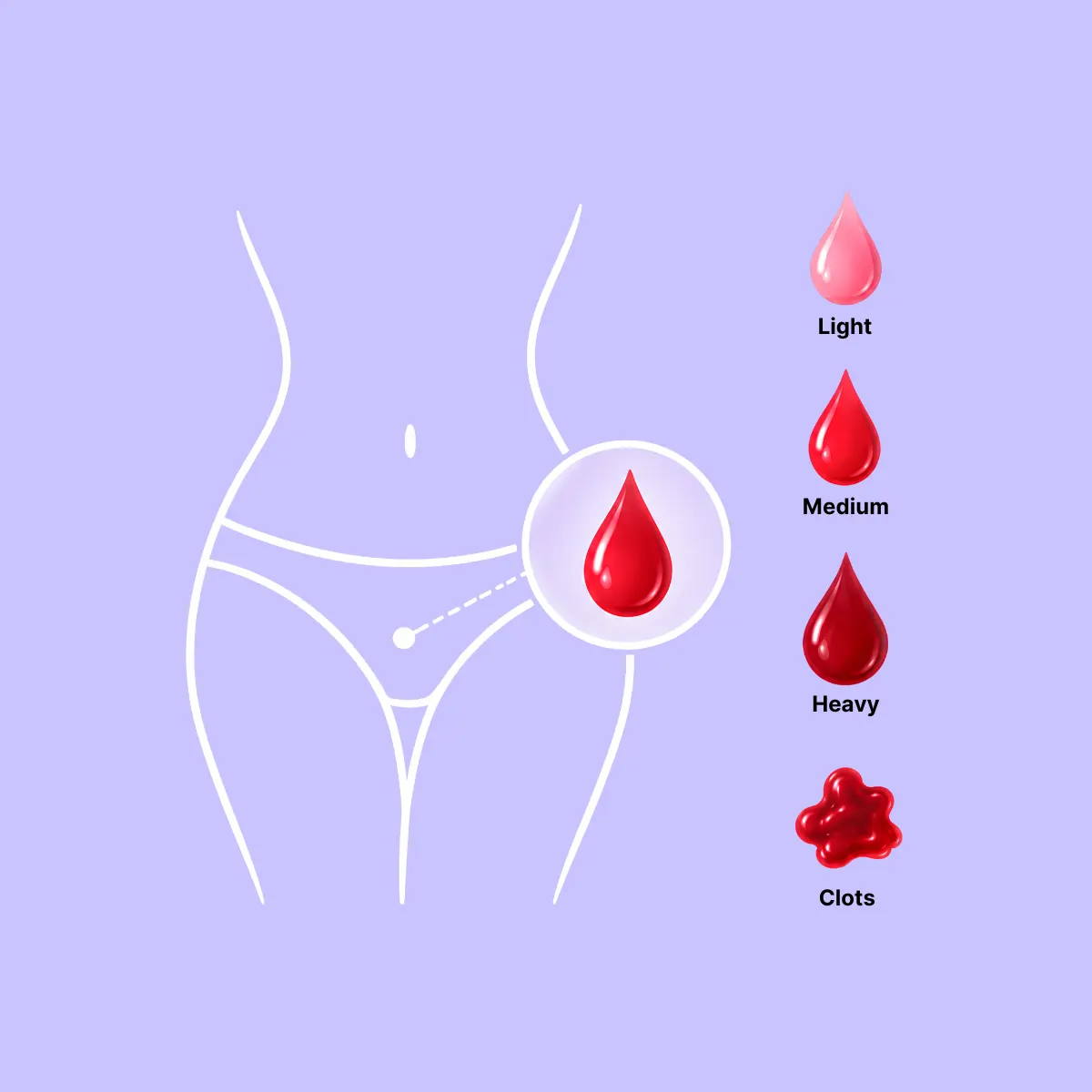
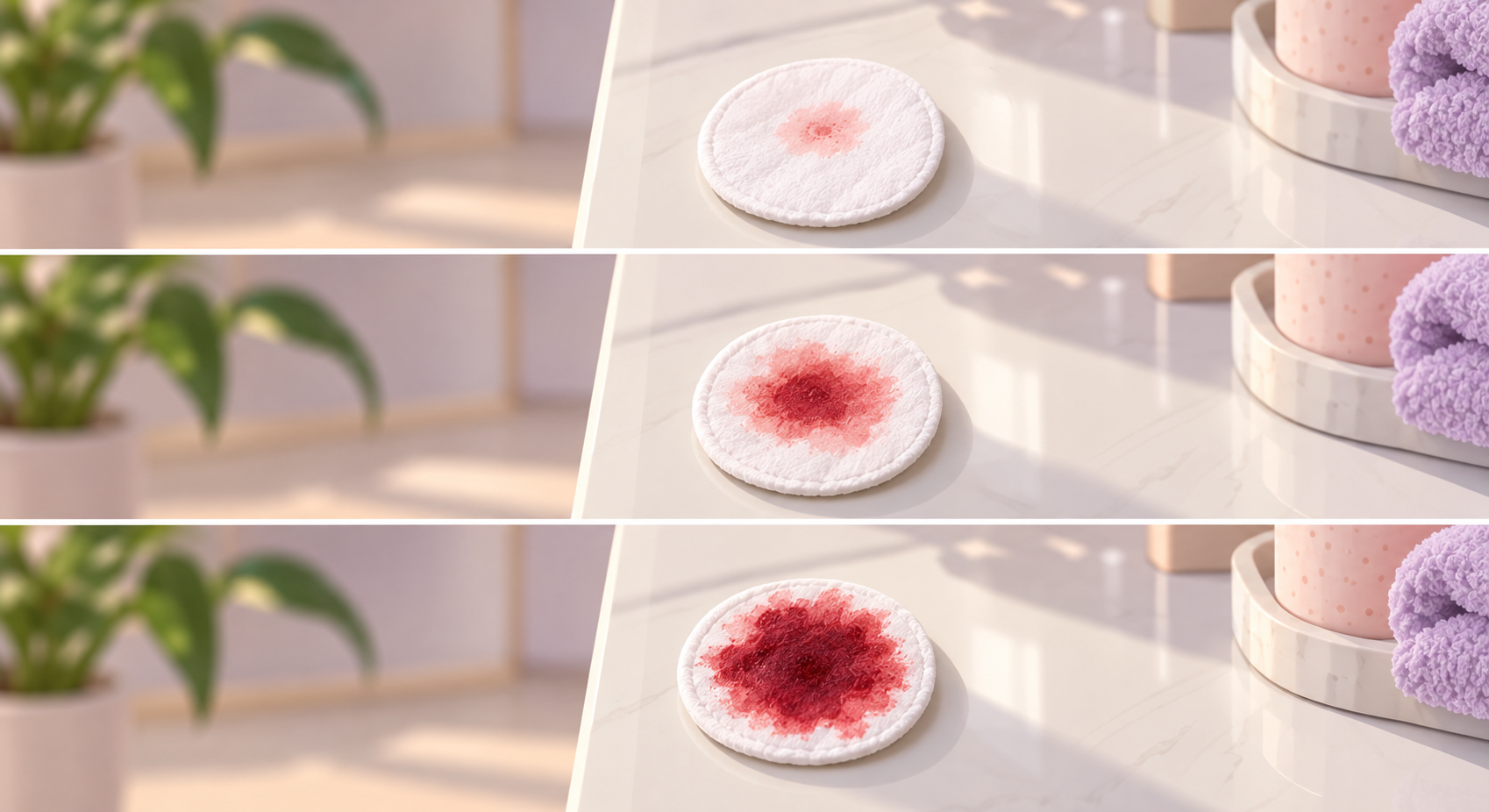
Your period doesn't necessarily have the same flow every day.
You might start with spotting or light flow, get heavier for a day or two, and then gradually become lighter again.
You might also have a completely different pattern from your friend.
That's because periods aren't one-size-fits-all.
In Clora, you can simply track:
Light → Medium → Heavy
Over time, this gives you something much more useful than comparing yourself with someone else:
Your own baseline.
🩸 And then… THE CLOT.
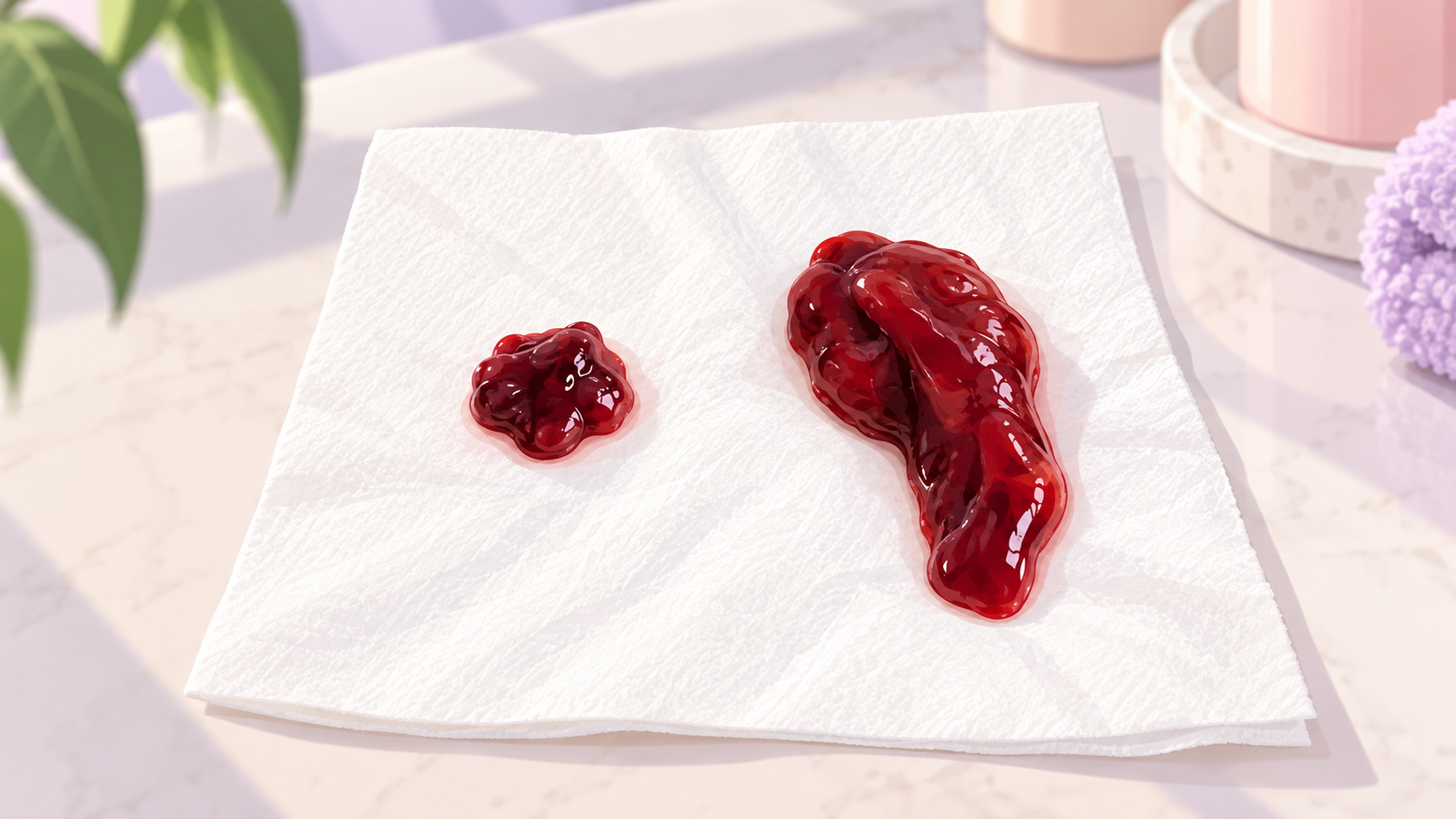
You go to the bathroom and see a little jelly-like blob.
“EXCUSE ME?! WHAT IS THAT?”
Take a breath. 😭
Small menstrual blood clots can happen, particularly when your flow is heavier.
Your blood can temporarily collect in the uterus before leaving the body, allowing it to clot.
So an occasional small clot doesn't automatically mean something is wrong.

🌱 What happens after your period?
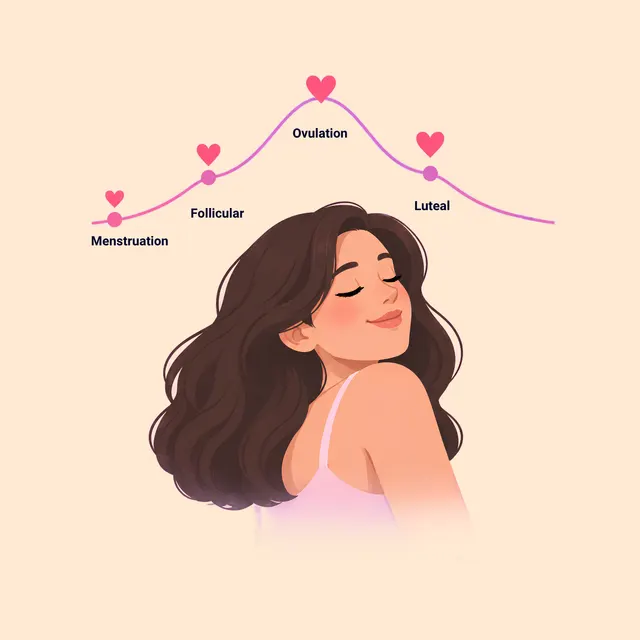
Your period is only one part of your cycle.
As you move through the follicular phase, bleeding usually ends and your body starts preparing for ovulation.
You may notice your energy returning, mood improving and period symptoms settling down.
Then comes…

🌸 Ovulation: “No period today, thanks.”
Around ovulation, you generally won't have menstrual flow.
Instead, you might notice watery or egg-white-like discharge, and some people experience mild abdominal discomfort.
Then comes the…
🌙 Luteal phase: “The pre-period trailer.”
Before your next period, you might notice:
Cravings.
Bloating.
Tender breasts.
Acne.
Fatigue.
Mood swings.
Basically, your body starts dropping spoilers for the next episode. 😂
And eventually…
Period: Season 2, Episode 1.
🚨 But when should you pay attention?
Heavy bleeding deserves attention if it's much heavier than your usual pattern, lasts longer than about 7 days, or you regularly need to change a pad or tampon very frequently because it becomes soaked.
Also talk to a healthcare professional if you regularly have very large clots, severe pain, dizziness, weakness or other symptoms that concern you.
The important word here is regularly - one unusual period doesn't necessarily tell you the whole story.
💗 Stop asking, “Is my period normal?”
Start asking:
“Is this normal FOR ME?”
That's where tracking becomes powerful.
Log your flow, clots, cramps, mood, fatigue, cravings and other symptoms in Clora.
After a few cycles, your period might stop feeling like a monthly surprise attack.
You may start recognising its patterns.
And honestly?
Knowing your body is a pretty good superpower. 🩸✨