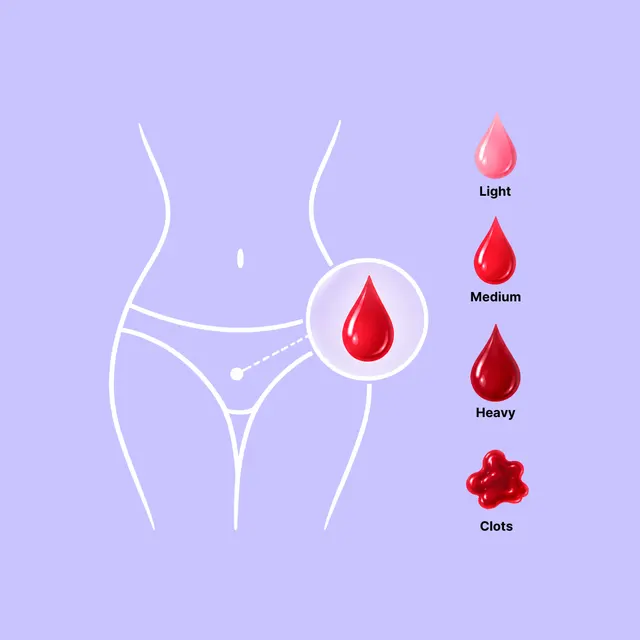
Your period arrives… and suddenly your stomach decides to join the drama.
One minute you're dealing with cramps, and the next you're thinking, “Why am I running to the bathroom again?” 😭
Welcome to one of the less-talked-about parts of your menstrual phase: digestive changes.
🩸 Why does this happen?
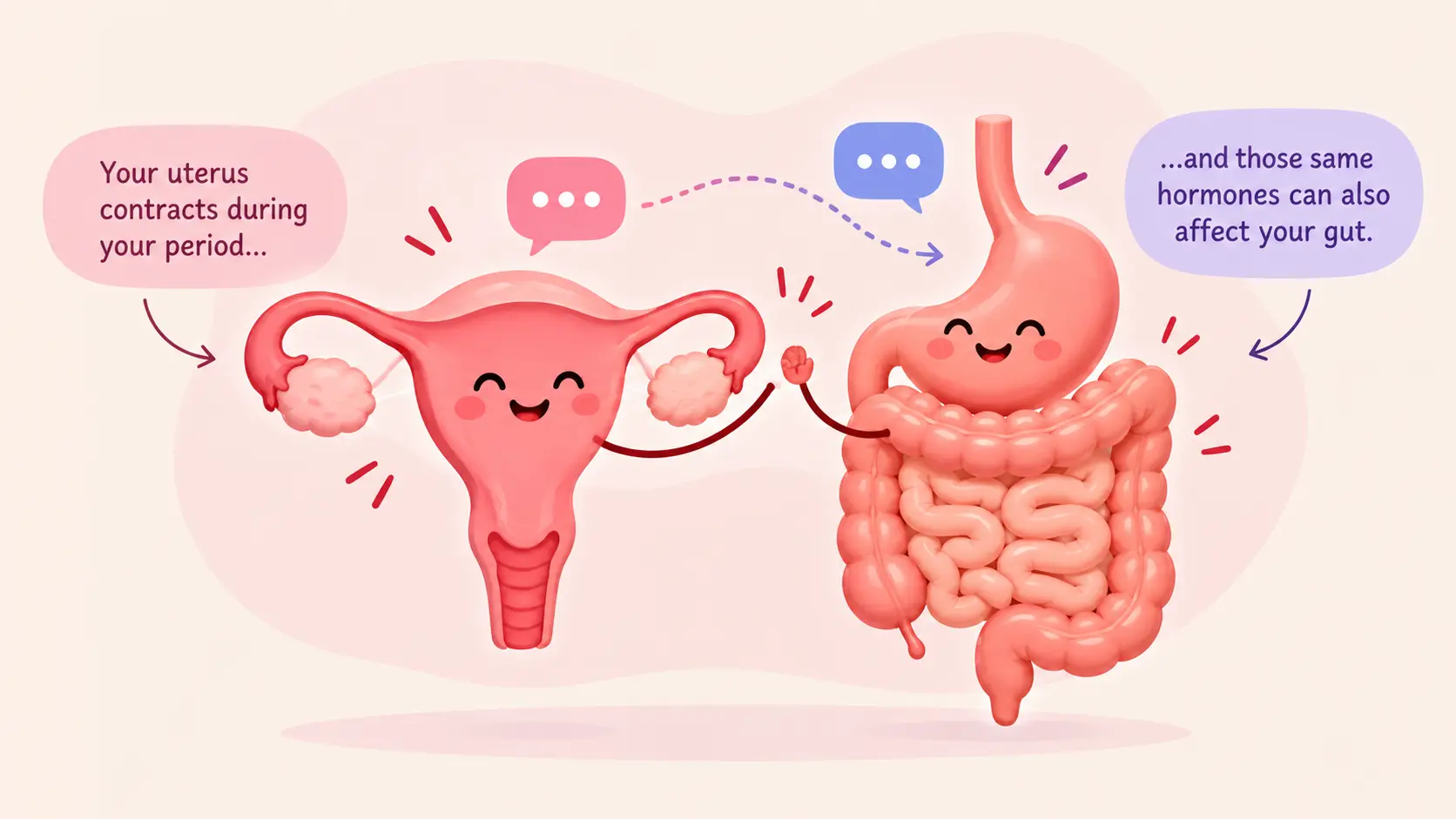
During your period, your body produces chemicals called prostaglandins. They help your uterus contract so it can shed its lining.
But prostaglandins don't always stay focused on the uterus.
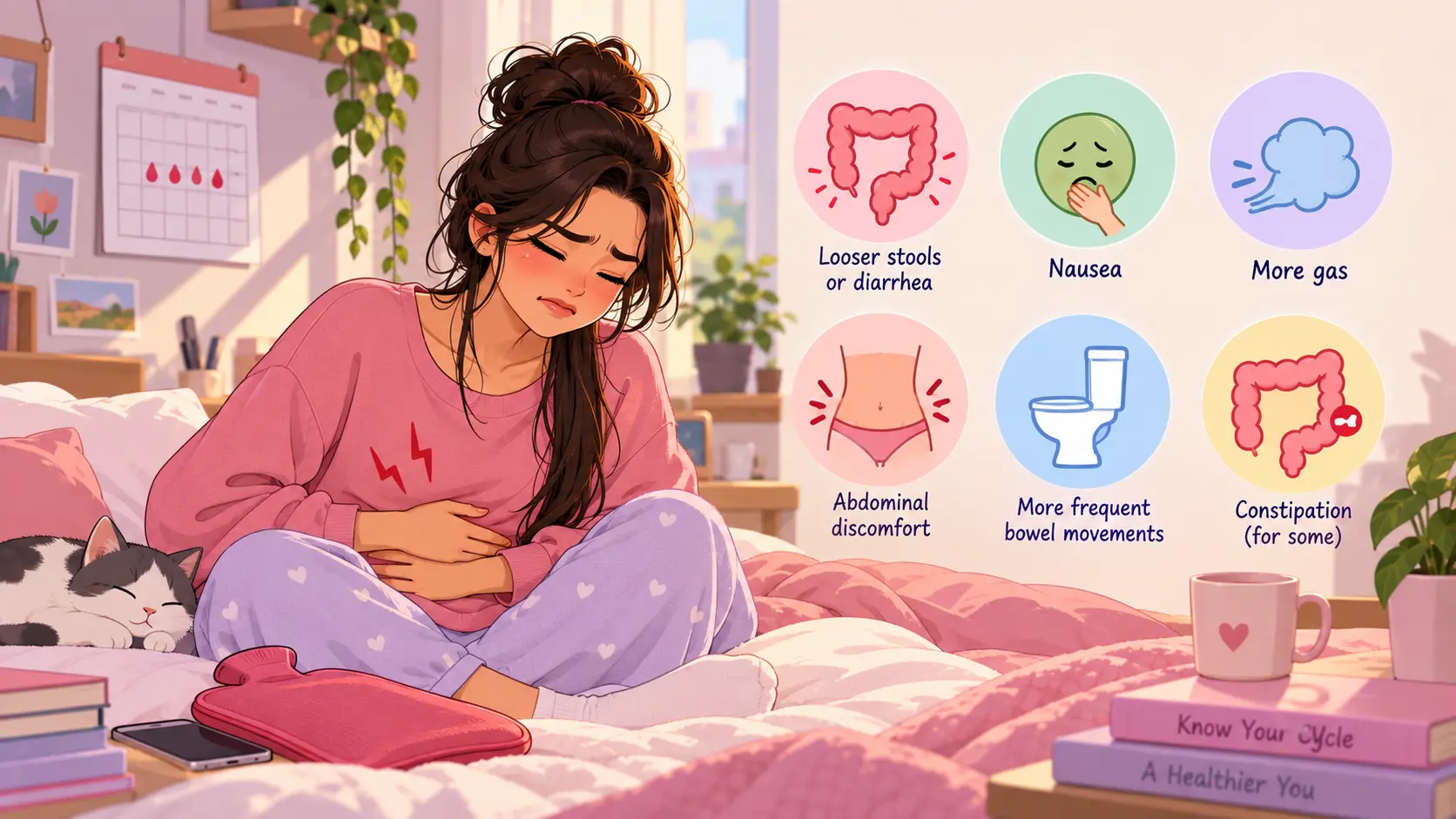
They can also affect your intestines, which may lead to:
💩 Looser stools or diarrhea
🤢 Nausea
💨 More gas
😣 Abdominal discomfort
🚽 More frequent bowel movements
Some people may also experience constipation, especially around the days before or during their period.
So… is my stomach actually upset?
Not necessarily.
If these digestive changes happen around your period and settle afterward, they can be part of your normal menstrual pattern.
Your uterus and gut are neighbours—and sometimes, unfortunately, they share the same group chat. 🫠
🌸 What can help?
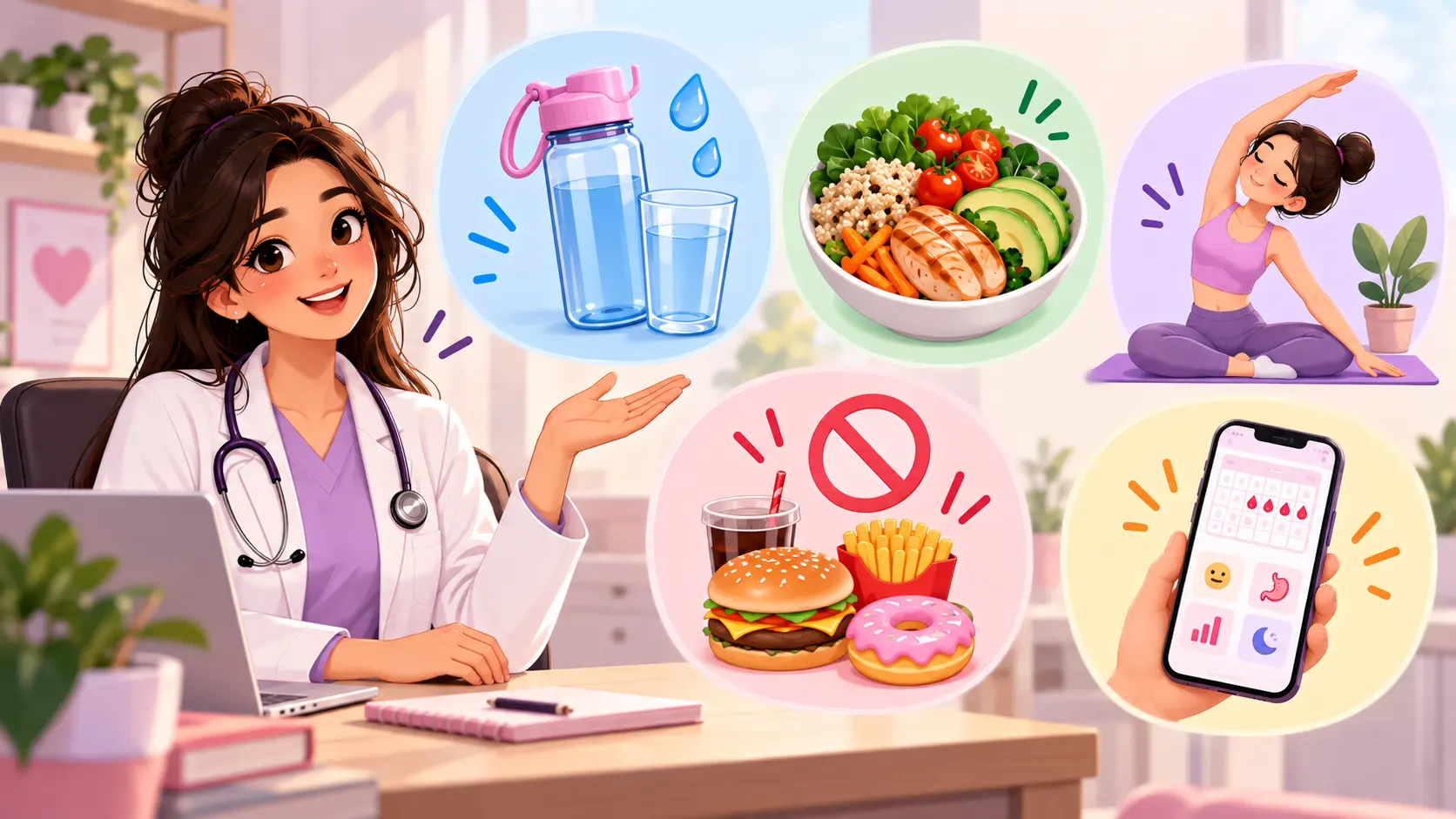
Staying hydrated, eating regular balanced meals, getting gentle movement, and paying attention to foods that seem to worsen your symptoms may help.
And if nausea or digestive symptoms are severe, persistent, or interfere with your everyday life, it's worth discussing them with a healthcare professional.
Your period may be monthly, but your symptoms don't have to be a mystery.
Track them with Clora and start noticing your body's patterns. 💜