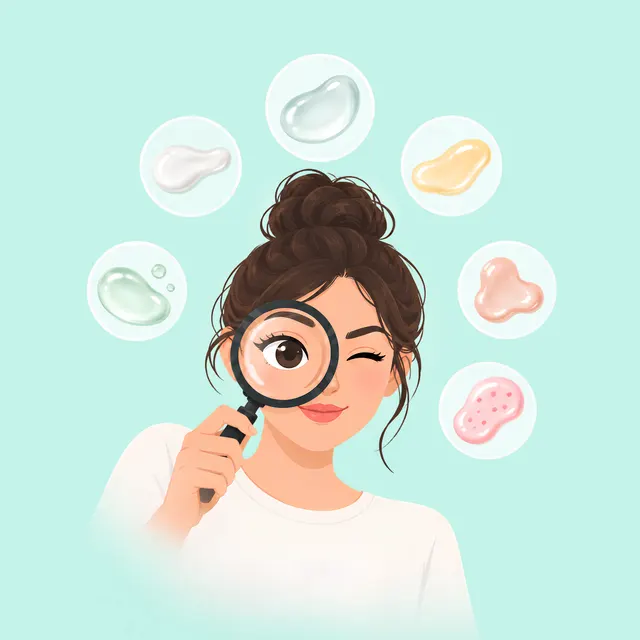

You haven't changed anything.
Same body.
Same routine.
But suddenly you're thinking:
“Okay… why does everything feel a little more sensitive down there?” 👀
No, you're not imagining every little change.
Around ovulation, some people notice changes in genital sensitivity, lubrication, or sexual sensation.
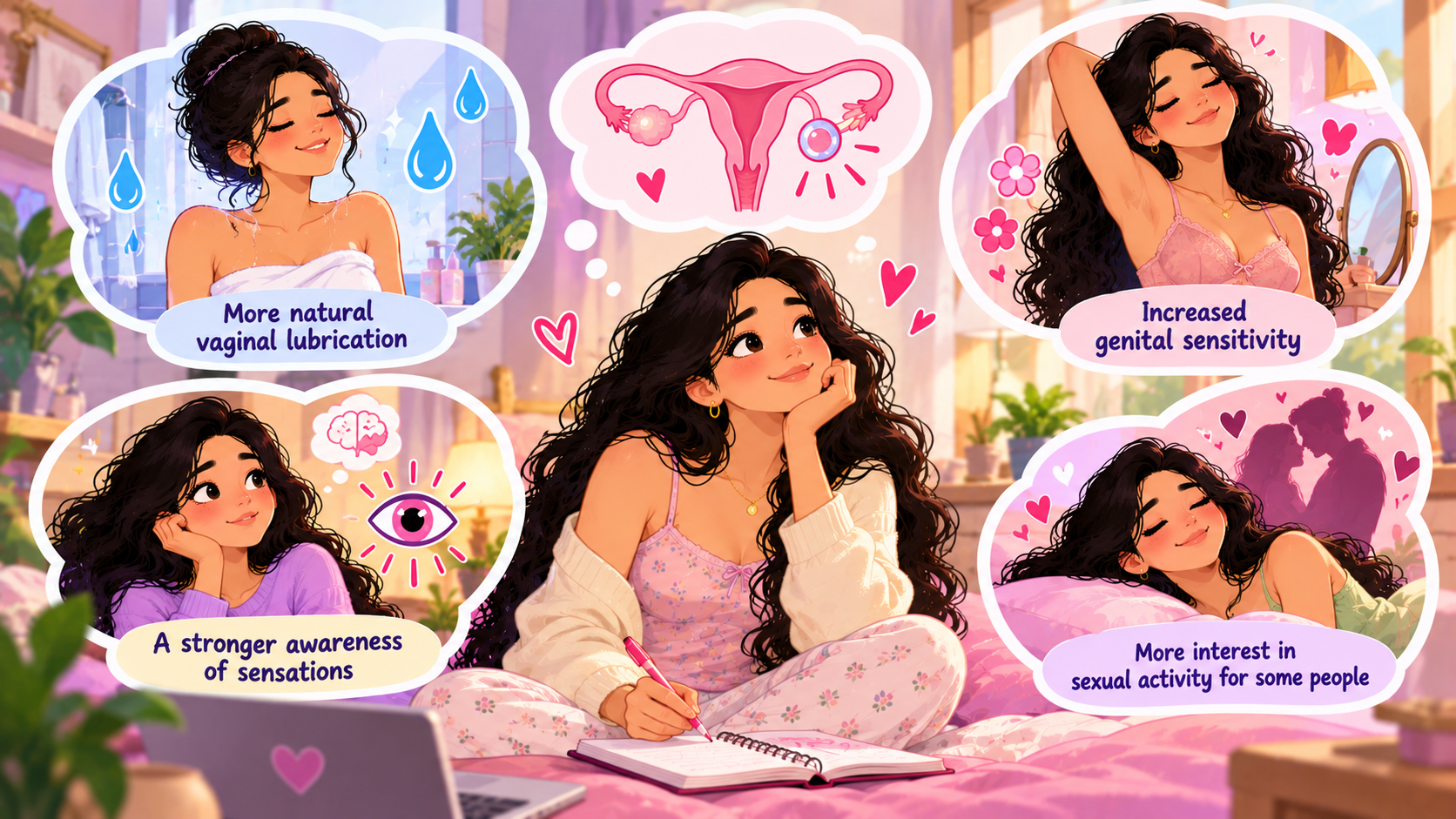
🌸 What can change around ovulation?
Ovulation happens roughly around the middle of the cycle, although the exact timing varies from person to person.
As hormones change around this time, you may notice:
💧 More natural vaginal lubrication
🌸 Increased genital sensitivity
👀 A stronger awareness of sensations
🔥 More interest in sexual activity for some people
And sometimes your body is basically saying:
“Everything feels… slightly more noticeable today.” 😂
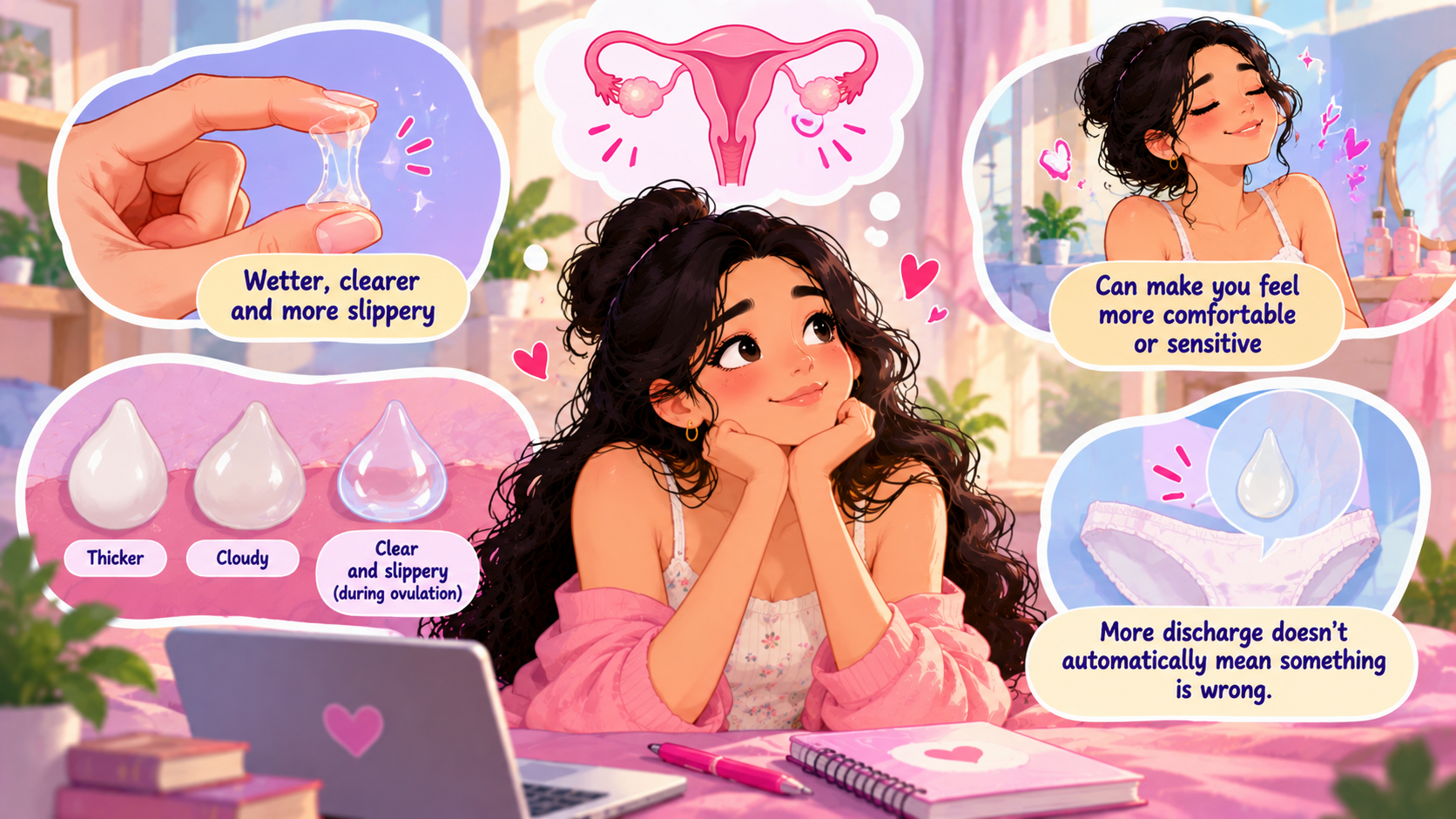
💧 Your body may be more lubricated too
Around ovulation, cervical mucus often becomes wetter, clearer and more slippery.
That's different from vaginal lubrication, although both can contribute to feeling more comfortable or sensitive during intimacy.
And remember:
More discharge doesn't automatically mean something is wrong.
If it's clear or slippery and doesn't come with unpleasant odor, itching, burning or pain, it can be part of normal cycle changes.
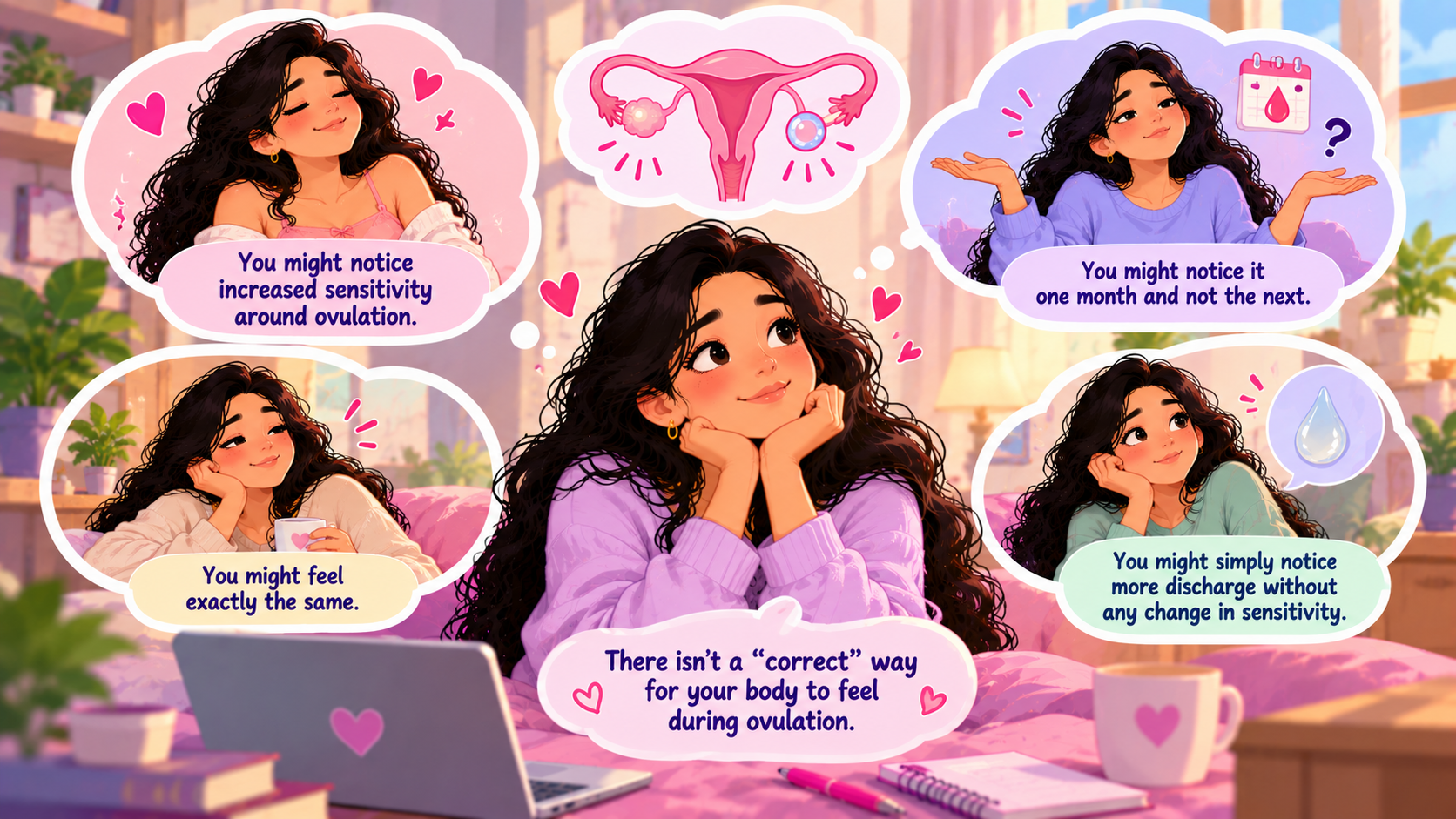
👀 But everyone's cycle is different
Not everyone experiences increased sensitivity around ovulation.
You might notice it one month and not the next.
You might feel exactly the same.
You might simply notice more discharge without any change in sensitivity.
There isn't a “correct” way for your body to feel during ovulation.
📱 Track your own pattern
This is where Clora can help you connect the dots.
Track things like:
🌸 Genital sensitivity
💧 Discharge changes
❤️ Sex drive
✨ Sexual activity
😊 Mood
After a few cycles, you may start noticing:
“Ohhh… this usually happens around ovulation.”
That's much more useful than comparing your body with someone else's.
🚨 When does sensitivity deserve attention?
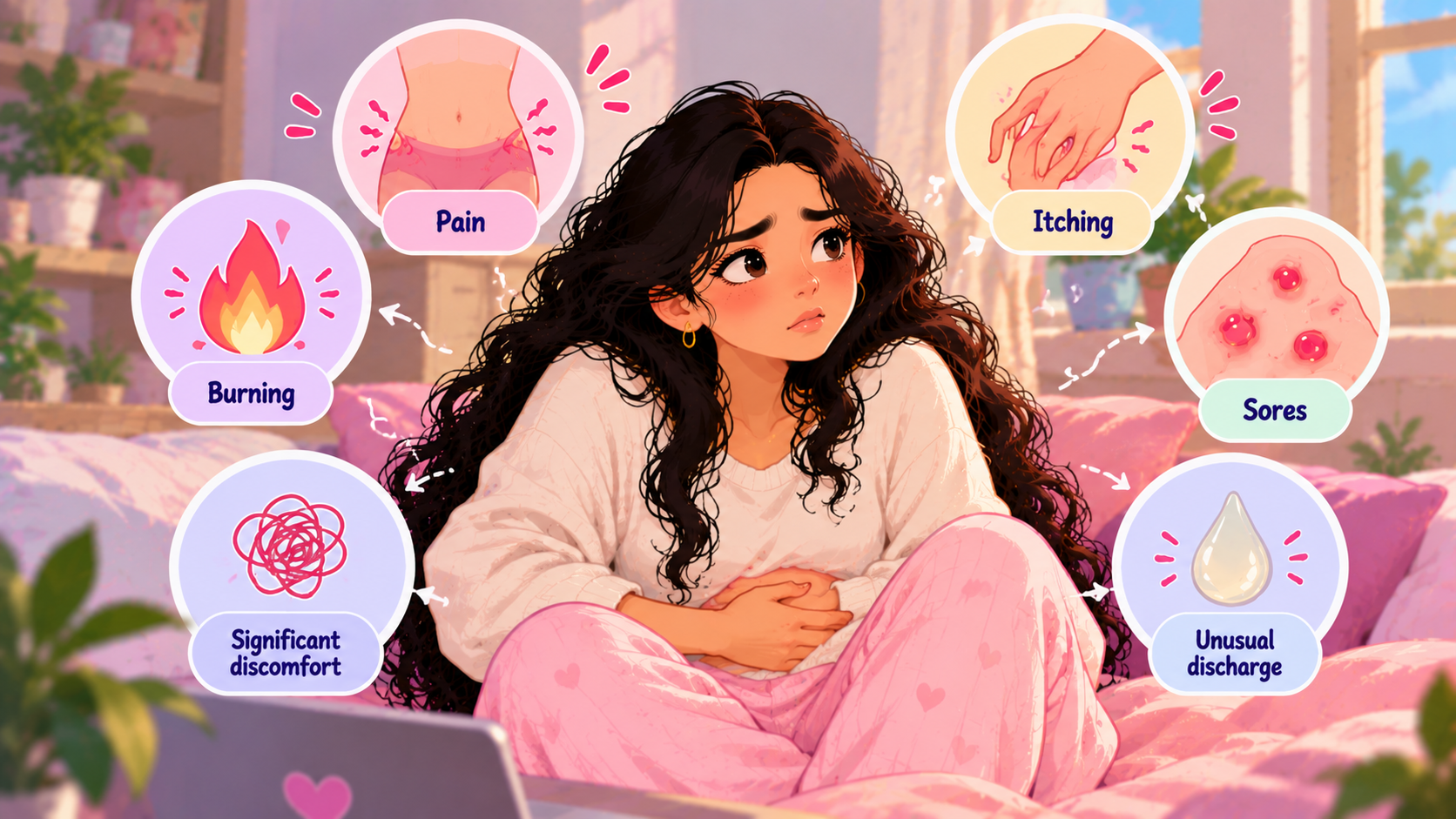
Cycle-related sensitivity shouldn't normally mean persistent pain, burning, itching, sores, unusual discharge or significant discomfort.
If you notice those symptoms, especially if they're new or persistent, it's a good idea to speak with a healthcare professional.
So if things suddenly feel a little more sensitive down there…
Don't panic. Don't over-Google.
Start by noticing where you are in your cycle. 🌸
Your body might simply be giving you another little ovulation clue. 💗